
Hello FordSix,
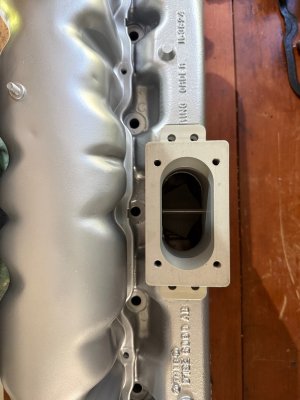
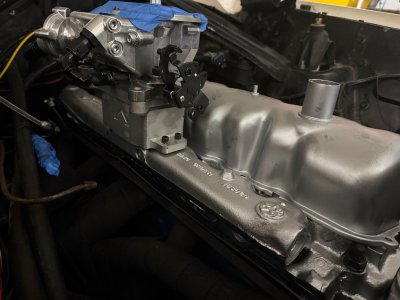
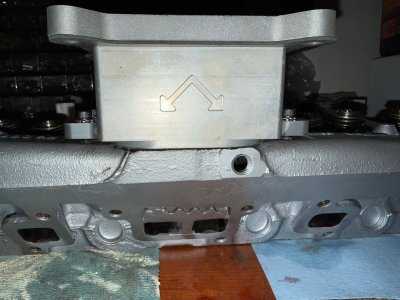
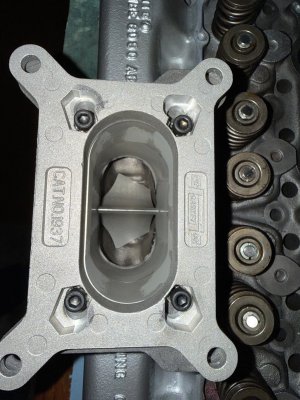
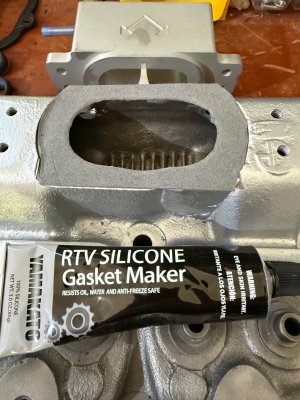
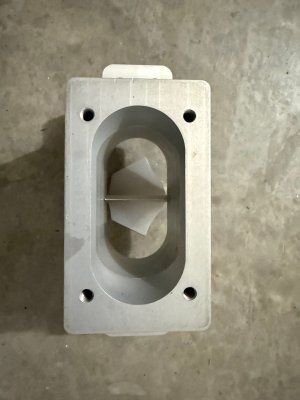
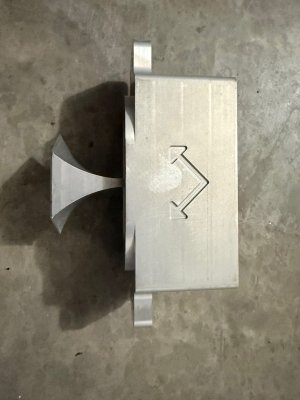
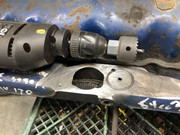
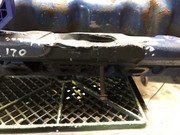
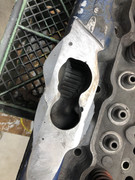
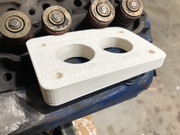
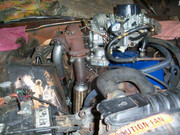
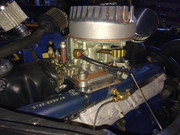
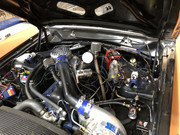
I finally finished my winter project: a custom-made intake port divider and 2-barrel conversion.
The engine is a 1978 large log 200ci installed in my 1964 Ford Falcon Futura (3-speed automatic). I video recorded timed acceleration tests and repeated them under three different configurations:
My only complaint about the EFI is that the touchscreen is somewhat sensitive and tends to jump around due to dust and debris. My Falcon is a convertible, so it is exposed.
According to my analysis (with ChatGPT assisting in calculations), the intake port divider combined with the 2-barrel conversion resulted in an estimated 9.16% average increase in net traction horsepower.
I used the “Physics Toolbox” app for GPS and elevation measurements. The video frame rate was approximately 0.033 seconds per frame (30 fps), which limits timing precision somewhat. The Physics Toolbox app logs at 1 Hz, which is not ideal for high-resolution acceleration analysis.
The test road was approximately a 3% uphill grade, and speeds were limited to about 70 mph. The Falcon retains its original 1964 3-speed automatic.
Interestingly, the calculated net traction horsepower gain was more pronounced at higher RPM rather than lower RPM. Given measurement limitations, there is some margin of error, but the improvement appears consistent.
Subjectively, drivability is noticeably smoother and more responsive. It is definitely quicker — though not quite Mach-E GT quick.
I am very happy with the conversion.
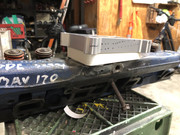
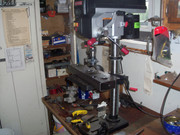
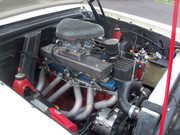
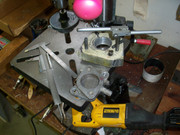
Enjoy the photos.
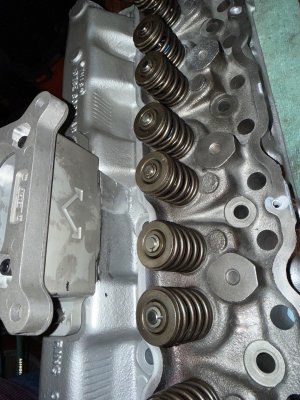
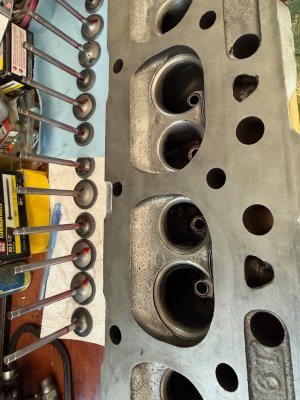
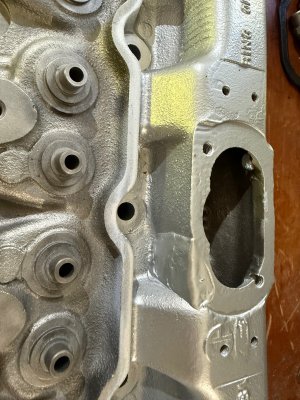
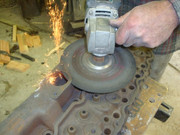
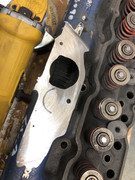
Other notes: Compression and leak down tests before the top-end rebuild were adequate so I did not resurface the valves, head, or block. I did replace the valves, head bolts, thermostat, and leaking valve seals, but not the keepers or springs. I performed a mild polishing of the ports. I power washed and glass bead blasted the head rather than a more appropriate and typical approach.
I finally finished my winter project: a custom-made intake port divider and 2-barrel conversion.
The engine is a 1978 large log 200ci installed in my 1964 Ford Falcon Futura (3-speed automatic). I video recorded timed acceleration tests and repeated them under three different configurations:
- 2-barrel carburetor with 2:1 barrel conversion
- Super Sniper 2300 EFI with 2:1 barrel conversion
- Custom intake port divider with 2-barrel conversion
My only complaint about the EFI is that the touchscreen is somewhat sensitive and tends to jump around due to dust and debris. My Falcon is a convertible, so it is exposed.
According to my analysis (with ChatGPT assisting in calculations), the intake port divider combined with the 2-barrel conversion resulted in an estimated 9.16% average increase in net traction horsepower.
I used the “Physics Toolbox” app for GPS and elevation measurements. The video frame rate was approximately 0.033 seconds per frame (30 fps), which limits timing precision somewhat. The Physics Toolbox app logs at 1 Hz, which is not ideal for high-resolution acceleration analysis.
The test road was approximately a 3% uphill grade, and speeds were limited to about 70 mph. The Falcon retains its original 1964 3-speed automatic.
Interestingly, the calculated net traction horsepower gain was more pronounced at higher RPM rather than lower RPM. Given measurement limitations, there is some margin of error, but the improvement appears consistent.
Subjectively, drivability is noticeably smoother and more responsive. It is definitely quicker — though not quite Mach-E GT quick.
I am very happy with the conversion.
Enjoy the photos.
Other notes: Compression and leak down tests before the top-end rebuild were adequate so I did not resurface the valves, head, or block. I did replace the valves, head bolts, thermostat, and leaking valve seals, but not the keepers or springs. I performed a mild polishing of the ports. I power washed and glass bead blasted the head rather than a more appropriate and typical approach.






 , and that’s it


 . Like you said the u-bend at the ends is the problem.


